 01
01
Female Private Investigator in Los Angeles
Confidential, professional investigative support from Anita Tourisia, backed by more than 30 years of private investigation experience.
Explore servicecell phone forensics
Authorized mobile-device evidence assessment focused on relevant messages, applications, files, and activity.
Professional investigation support
Phones combine communications, photographs, application data, location-related artifacts, account access, and synchronized information. A useful mobile-forensics plan begins with device authorization, condition, platform, security state, and the precise evidence question.

Service overview
Depending on lawful access and device condition, relevant material may include messages, call information, media, application artifacts, browser activity, files, account identifiers, and timestamps. Availability varies widely by platform, settings, encryption, backups, and deletion history.
01
Unnecessary handling, network activity, software updates, remote commands, or continued use can change mobile data. Preservation planning should account for power, connectivity, security, and the risk of alteration.
02
Deleted information is not automatically recoverable. Modern encryption, storage management, application behavior, and later device use can reduce or eliminate recoverable artifacts. No responsible examination guarantees recovery.
03
Mobile findings should identify the source, relevant timestamps, extraction or review method, and important limitations. A screenshot alone may not establish authorship, completeness, or context.
How the process works
The scope is defined around the facts, lawful methods, practical limitations, and the intended use of the findings.
Discuss the facts, objectives, timing, and intended use of findings.
Define lawful methods, practical limits, and communication expectations.
Perform authorized work and document relevant findings carefully.
Review the information obtained and appropriate next steps.
Professional qualifications
How we can help
01
Confidential, professional investigative support from Anita Tourisia, backed by more than 30 years of private investigation experience.
Explore service 02
02
Licensed, discreet investigative support focused on facts, documentation, and clear client communication.
Explore service 03
03
Careful identification, preservation, and analysis of electronic information relevant to an investigation or legal matter.
Explore service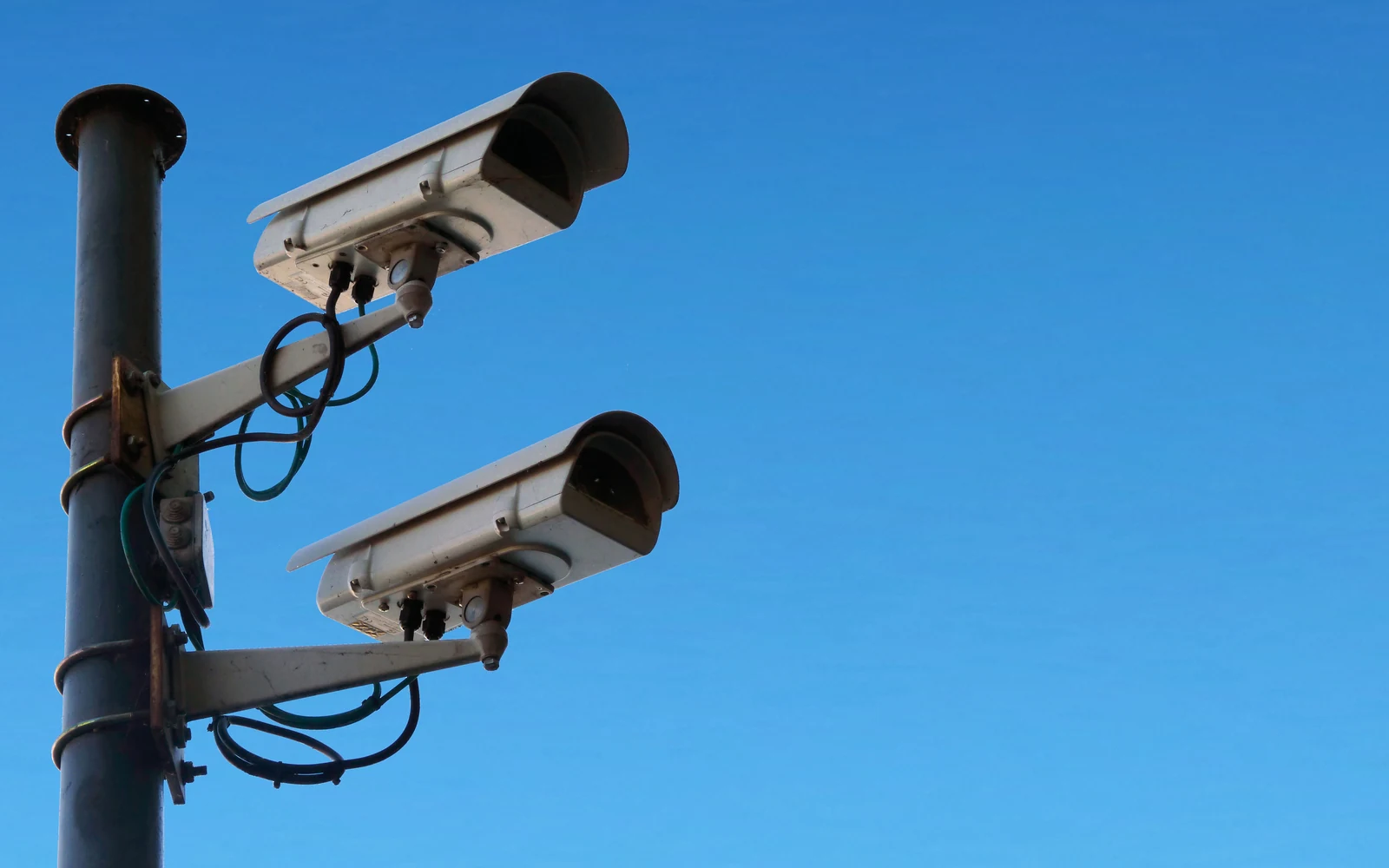 04
04
Discreet observation planned around a lawful purpose, practical feasibility, safety, and clear documentation.
Explore service 05
05
Structured fact development for suspected deception, financial loss, conflicting records, and misrepresented relationships.
Explore service 06
06
Focused background research that goes beyond a single database result and connects reliable sources to a defined decision.
Explore serviceSwipe or use the arrow controls to explore services.
Investigation video library
Watch examples covering surveillance, insurance-fraud inquiries, and the documentation of relevant claim evidence.
Questions, answered
ATB Investigations treats consultation information discreetly and requests only information relevant to evaluating the matter. Specific questions about legal privilege should be discussed with qualified counsel.
Depending on the facts and lawful scope, work may include surveillance, background research, family-related fact gathering, fraud inquiries, online research, locate investigations, and digital-evidence matters.
Anita Tourisia provides the primary client contact. Assignment details depend on scope, safety, location, required expertise, and availability and should be confirmed during consultation.
Prepare a concise timeline, relevant names, available documents or communications, and the specific question you need the investigation to address. Do not obtain information unlawfully.
No. An investigator can collect and document facts within an authorized scope but does not replace an attorney or provide legal strategy.
Cost depends on scope, time, location, required methods, and complexity. ATB Investigations reviews the objective before discussing an appropriate scope and fee arrangement.
Timing varies with the objective, availability of records or subjects, and changing case circumstances. No responsible investigator can promise a universal completion time.
No. An investigator can pursue an agreed lawful scope and document findings but cannot guarantee that evidence will confirm a belief or produce a desired outcome.
Ask for the investigator’s license number and verify it with the appropriate state licensing authority. ATB Investigations identifies its California private investigator license as PI #24646.
Investigation findings may assist counsel or a legal matter when collected and documented appropriately, but admissibility is decided under applicable law and court rules. Coordinate with your attorney before work begins.
Confidential case assessment
Speak directly with Anita Tourisia about the facts, timing, and lawful options for your matter.
Call for a confidential consultation
No guarantees or pressure—just a practical assessment of your options.